The Hidden Dangers of Winter Roads: Why Accident Claims Spike in West Virginia
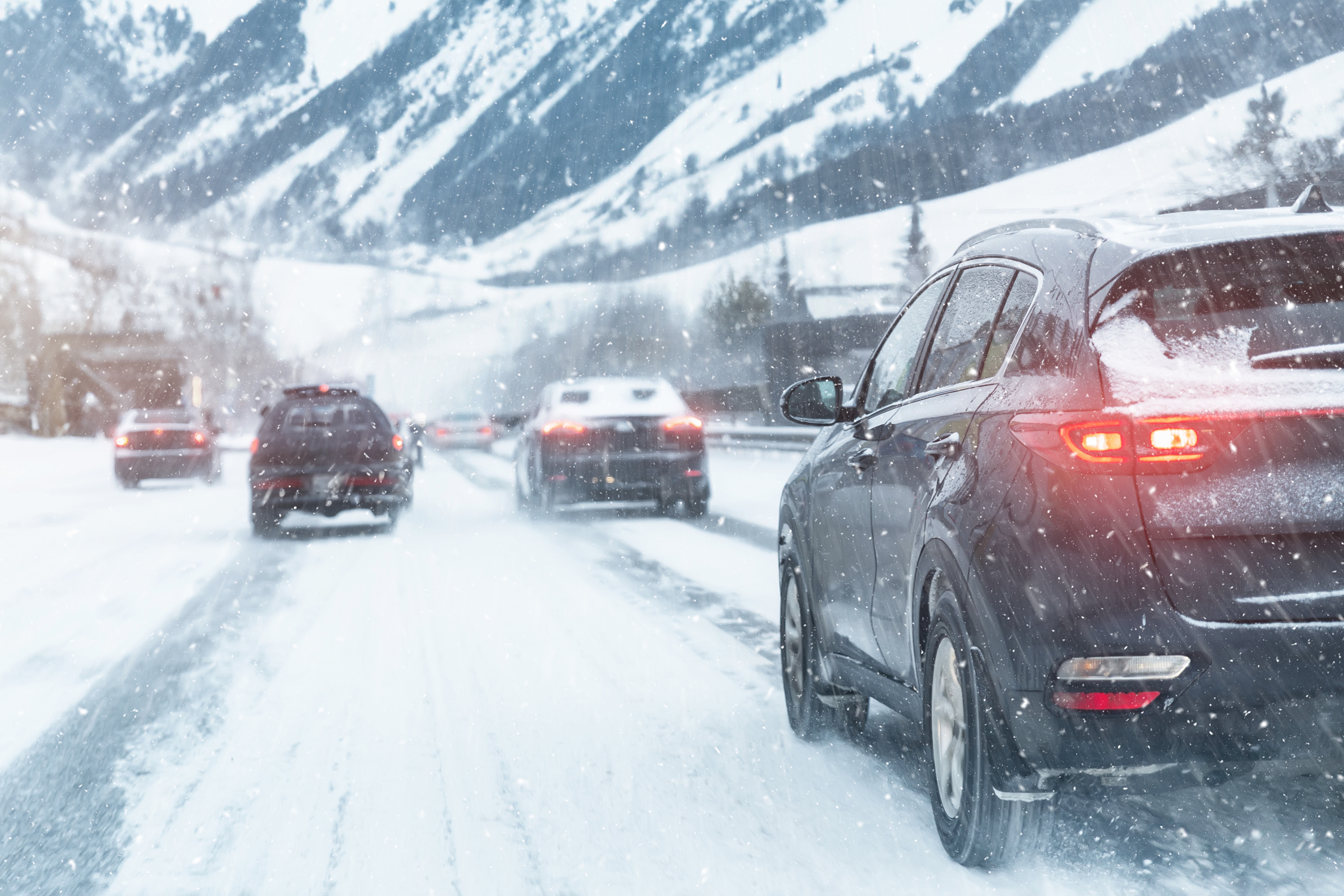
Winter in West Virginia brings more than just picturesque snow-covered landscapes—it delivers a 23% increase in auto accidents across the state. This alarming rise isn't just a statistic; it represents real people facing injuries, vehicle damage, and complex insurance battles during the most challenging driving season. Climate-related hazards like frequent freeze-thaw cycles, intense winter storms, and icy conditions transform familiar roads into hazardous pathways, leaving many motorists unprepared for the dangers ahead. If you've been involved in a winter weather accident, understanding your rights and the unique challenges of cold-weather collision claims can make all the difference in your recovery.
Don't let the complexities of winter weather accidents leave you out in the cold. Reach out to Miley Legal for guidance on navigating your claim and ensuring your rights are protected. Call us at 304-501-5280 or contact us today to start your journey toward recovery.
Understanding Your Legal Rights After a Winter Weather Accident
When winter conditions contribute to an accident in West Virginia, determining liability becomes more complex than in clear-weather crashes. While all drivers have a legal duty to operate their vehicles safely regardless of weather conditions, multiple parties may share responsibility when winter hazards are involved. More frequent and intense storms significantly increase accident risks on West Virginia roads, particularly when drivers fail to adjust their behavior to match conditions. Under West Virginia law, even if you were partially at fault for a winter weather accident, you may still be entitled to compensation under the state's comparative negligence system—as long as you're less than 50% responsible. Additionally, third parties like government entities responsible for road maintenance or contractors who failed to properly clear snow may bear liability in certain circumstances. Climate-related hazards like freeze-thaw cycles that weaken pavement can create dangerous road conditions that might implicate municipal responsibility, especially if proper warnings weren't posted or necessary repairs weren't made in a timely manner.
The Critical Timeline: What to Do After a Winter Weather Accident
Taking prompt action after a winter weather accident is essential to protect both your health and legal rights. The chaotic aftermath of a collision, especially in harsh weather conditions, can make it difficult to think clearly. However, the steps you take immediately following the crash can significantly impact your ability to recover compensation. Winter conditions create unique challenges during the post-accident investigation process, as evidence like skid marks or road conditions may quickly change or disappear entirely as snow melts or fresh precipitation falls. Understanding the proper timeline for action helps ensure you don't inadvertently damage your case.
Prioritize safety and health first – Move to a safe location if possible and call 911 immediately. More frequent and intense winter storms increase accident risks substantially, so don't attempt to handle the situation without professional assistance.
Document everything thoroughly – Take photos of all vehicles, road conditions, weather conditions, and any visible injuries. The Federal Highway Administration notes that freeze-thaw cycles can cause substantial structural damage to roadways, which may have contributed to your accident.
Seek medical attention within 24 hours – Even if you feel "fine," some injuries aren't immediately apparent, and winter accidents often involve impacts that can cause delayed-onset symptoms.
Report the accident to your insurance company within 24-48 hours – But avoid providing recorded statements without legal counsel.
Consult with a winter accident attorney within the first week – West Virginia has a two-year statute of limitations for personal injury claims, but evidence preservation is time-sensitive, especially with changing winter conditions.
Navigating Winter Accident Claims with Experienced Legal Support
Resolving winter weather accident claims requires specialized knowledge of how cold-weather conditions affect liability, evidence collection, and compensation. Winter accidents often result in more severe injuries and complex insurance scenarios due to multiple contributing factors beyond driver error. At Miley Legal, we've handled numerous winter-related collision cases throughout West Virginia, developing specific strategies to address the unique challenges these claims present. Our approach includes working with weather experts, accident reconstructionists familiar with winter driving dynamics, and medical specialists who understand cold-weather injury patterns. While some minor winter fender-benders might be handled directly with insurance companies, accidents involving injuries, disputed liability, or substantial property damage benefit significantly from professional legal representation. West Virginia's comparative negligence laws make it essential to have an advocate who can effectively counter insurance company attempts to assign you a greater percentage of fault than appropriate.
How Climate-Related Hazards Transform Winter Driving Risk in West Virginia
West Virginia's geography and climate create a perfect storm of winter driving hazards that directly contribute to the seasonal surge in accidents. Understanding these unique environmental factors is crucial for both preventing collisions and establishing liability when they occur. Climate-related hazards disrupt transportation networks across the state in multiple ways, creating unsafe travel conditions that extend well beyond the obvious dangers of snow-covered roads. The mountainous terrain combined with changing climate patterns has intensified winter driving risks in recent years, with more frequent freeze-thaw cycles weakening pavement and causing substantial structural damage to roadways. These deteriorating infrastructure conditions become particularly dangerous when obscured by snow or ice, creating hazards that even careful drivers might not be able to anticipate or avoid.
The Impact of Freeze-Thaw Cycles on Road Safety
According to the Federal Highway Administration, freeze-thaw cycles represent one of the most significant threats to road integrity and driver safety during winter months. These cycles occur when temperatures fluctuate above and below freezing, causing water to seep into road surfaces, freeze, expand, and create potholes, cracks, and structural weaknesses. In West Virginia, these cycles have become more frequent in recent years, leading to accelerated road deterioration that outpaces maintenance efforts. When these damaged road sections are covered by snow or black ice, they create particularly dangerous conditions that can catch even experienced drivers off guard. We've represented numerous clients whose accidents were directly attributable to these deteriorated road conditions, often successfully arguing that municipal negligence in road maintenance was a contributing factor to their injuries.
Winter Weather Accident Liability: Who's Responsible When Mother Nature Contributes?
Determining liability in winter weather accidents involves a complex analysis of driver behavior, road maintenance responsibilities, and the reasonableness of actions taken in response to weather conditions. While West Virginia law doesn't excuse drivers from exercising appropriate caution during inclement weather, it also recognizes that multiple parties may share responsibility when winter conditions contribute to a crash. Understanding these liability considerations is essential for protecting your rights and maximizing your potential compensation. The legal concept of "duty of care" applies differently in winter conditions, as all drivers are expected to adjust their speed, following distance, and overall driving behavior to match the road conditions they encounter. However, this doesn't mean that a driver who slides on black ice is automatically at fault—particularly if other factors like inadequate road treatment or improper warning signs also played a role.
Municipal and State Liability for Winter Road Conditions
Government entities responsible for road maintenance and snow removal have legal obligations to keep roadways reasonably safe for travel. While they're generally granted some immunity and aren't expected to keep roads perfectly clear during active storms, they must follow established protocols for treating and clearing roads within reasonable timeframes. In cases where municipalities or state agencies fail to adhere to their own snow removal policies or leave known hazards unaddressed, they may bear partial liability for resulting accidents. Severe weather events that damage infrastructure like overhead power lines can create additional hazards that require prompt attention, as power outages affect traffic signals and lighting. Successfully pursuing claims against government entities involves specialized knowledge of notice requirements and immunity exceptions, making experienced legal representation particularly valuable in these cases.
Vehicle Safety Features and Legal Considerations for Winter Driving
Modern vehicles incorporate numerous safety features designed to mitigate winter driving risks, and understanding how these technologies interact with West Virginia traffic laws can significantly impact accident claims. While technologies like anti-lock brakes, electronic stability control, and all-wheel drive provide meaningful safety benefits, they don't eliminate the need for appropriate driver caution in winter conditions. From a legal perspective, having these safety features may actually create a higher standard of care expectation, as drivers in properly equipped vehicles should be able to maintain better control. Understanding the capabilities and limitations of your vehicle's safety systems is an essential aspect of winter driving responsibility and may factor into liability determinations following an accident.
Occupant Protection Systems and Winter Accident Injuries
Vehicle safety improvements such as seat belts, properly designed doors, and side-impact protection systems play a crucial role in reducing injuries during winter weather accidents. When vehicles slide on ice or snow, they often experience different collision dynamics than in dry conditions, including more side impacts, rollovers, and multiple-impact scenarios. Modern occupant retention systems are specifically designed to keep passengers properly positioned during these complex crash sequences, significantly reducing ejection risks and associated injuries. However, the effectiveness of these systems depends on proper use and maintenance. In accident claims, questions about seat belt usage, child safety seat installation, and vehicle maintenance records often become central issues, particularly when insurance companies attempt to argue comparative negligence or contributory fault. Understanding how vehicle safety systems interact with winter driving conditions provides important context for both accident prevention and post-accident legal claims.
Environmental Impacts and Legal Implications of Winter Road Treatments
The methods used to combat winter road conditions in West Virginia create a complex set of trade-offs between immediate safety concerns and longer-term environmental impacts. Increased application of road salt during winter to combat more frequent ice buildup leads to contaminated snow melt runoff, which has documented negative impacts on lake ecosystems and water quality. These environmental considerations have prompted changes in road treatment approaches in some jurisdictions, with potential implications for winter driving safety and accident liability. Understanding the evolving standards for winter road maintenance provides important context for evaluating whether responsible parties met their obligations to maintain reasonably safe travel conditions.
Balancing Safety and Environmental Concerns in Road Treatment
Road maintenance authorities face increasing pressure to balance effective winter road treatment with environmental protection. Alternative de-icing compounds, strategic application techniques, and improved pre-treatment approaches are being implemented across West Virginia to reduce environmental impact while maintaining safety standards. When accidents occur on roads where treatment methods have recently changed, questions may arise about whether these new approaches provided adequate protection for motorists. In some cases, municipalities may be liable if they adopted cost-saving or environmentally-motivated treatment protocols that failed to provide reasonably safe driving conditions. For injured parties, documenting the actual road treatment conditions at an accident scene becomes an essential element of establishing liability, particularly when multiple entities share road maintenance responsibilities.
Frequently Asked Questions
1. How long do I have to file a winter accident claim in West Virginia?
In West Virginia, you have two years from the date of your accident to file a personal injury lawsuit. However, when winter conditions are involved, it's crucial to begin the legal process much sooner. Evidence like road conditions, weather reports, and maintenance records need to be preserved quickly before they change or become difficult to obtain. Additionally, insurance companies typically require notification within days of an accident. If you've been injured in a winter weather accident, consulting with a winter accident lawyer in Morgantown promptly can help ensure all critical evidence is properly documented and preserved.
2. Can I still receive compensation if I was partially at fault for a winter car crash in Morgantown?
Yes, West Virginia follows a modified comparative negligence rule, which means you can still recover damages as long as you're less than 50% responsible for the accident. Your compensation will be reduced by your percentage of fault. Winter conditions often create shared liability scenarios—perhaps you were driving too fast for conditions, but another driver was following too closely, or the municipality failed to properly treat known ice patches. A Morgantown car crash attorney can help demonstrate how winter conditions affected liability distribution and maximize your eligible compensation by properly contextualizing your actions against other contributing factors.
3. What if my accident was caused by poor road maintenance during winter weather?
If inadequate road maintenance contributed to your winter accident, you may have a claim against the government entity responsible for maintaining that roadway. According to the Federal Highway Administration, freeze-thaw cycles can cause substantial structural damage to roadways, creating hazardous conditions that municipalities have a duty to address. However, claims against government entities involve special requirements, including shorter notice periods and specific filing procedures. A West Virginia auto accident lawyer can help determine if road maintenance issues contributed to your accident and navigate the complex process of holding government entities accountable while ensuring all procedural requirements are met.
4. How does insurance coverage work for winter weather accidents in West Virginia?
Insurance coverage for winter weather accidents in West Virginia functions similarly to other auto accidents, but with some important distinctions. Your policy's collision coverage typically applies regardless of weather conditions, but insurers often scrutinize winter accident claims more closely, looking for ways to assign greater fault to drivers. They may argue that you failed to properly adjust your driving to winter conditions or that your vehicle wasn't adequately equipped for winter travel. Comprehensive coverage may apply if your vehicle was damaged by falling ice or snow while parked. A Morgantown vehicle collision lawsuit specialist can help review your policy, identify all applicable coverage, and counter insurance company attempts to minimize your claim based on winter conditions.
5. What types of evidence are most important in winter weather accident cases?
Winter weather accident cases require specialized evidence that goes beyond typical accident documentation. Critical evidence includes: 1) Weather data and forecasts from the time of the accident, 2) Road treatment and maintenance records, 3) Photographs of the specific road conditions, ideally taken immediately after the accident, 4) Witness statements about road conditions and visibility, 5) Vehicle winter equipment status (tires, wipers, lights), and 6) Data from traffic cameras or nearby businesses showing road conditions. A Morgantown weather accident help attorney will know exactly what evidence to gather and preserve before it disappears with changing weather conditions, significantly strengthening your case against attempts to assign you a higher percentage of fault.
Work with an Auto Accident lawyer
Winter weather accidents create unique legal challenges that benefit significantly from specialized legal representation. The combination of changing road conditions, complex liability questions, and insurance company resistance makes these cases particularly demanding. At Miley Legal, we understand how climate-related hazards disrupt transportation networks and create unsafe travel conditions that lead to accidents across West Virginia. Our approach includes thorough investigation of road maintenance records, weather data analysis, and consultation with specialists in winter driving dynamics when building your case. We recognize that more frequent and intense storms have increased accident risks on West Virginia roads, and we're committed to helping victims recover the full compensation they deserve. If you've been injured in a winter weather accident, contact our office to discuss your situation and learn how we can help you navigate the road to recovery while protecting your legal rights every step of the way.
Don't let the winter blues catch you off guard when it comes to your legal rights. Reach out to Miley Legal for a helping hand in navigating the complexities of winter accident claims. Give us a call at 304-501-5280 or contact us today to ensure your path to recovery is as smooth as possible.