When Weather Becomes a Factor in Your Auto Accident Case
You’re driving through West Virginia on a rainy evening when another vehicle slides into your lane and causes a collision. At the scene, the other driver immediately blames the wet road conditions. Nationally, about 21% of all vehicle crashes are weather-related, totaling approximately 1.2 million accidents annually. If you’ve been injured in a weather-related crash, you might wonder whether road conditions will impact your ability to recover compensation. Understanding how weather factors into accident claims can make a significant difference in protecting your rights.
💡 Pro Tip: Always document weather conditions at the accident scene with photos and videos, including road surfaces, visibility conditions, and any weather warnings in effect at the time.
If weather played a dicey role in your accident, don’t let it muddle your chances of fair compensation. Connect with Miley Legal – they’re ready to guide you through this stormy process and ensure your rights are firmly protected. Reach out today at 304-501-5280 or contact us.
Understanding Your Rights When a Clarksburg Car Accident Lawyer Evaluates Weather-Related Crashes
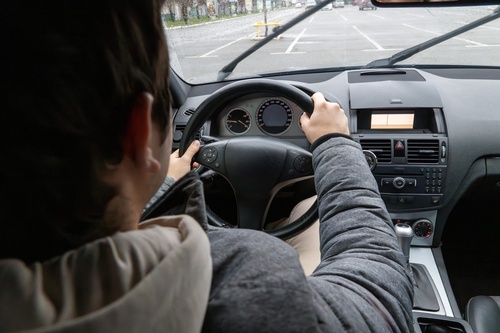
Weather conditions don’t automatically absolve drivers of responsibility for accidents. West Virginia follows a modified comparative fault system, meaning drivers still have a duty to operate vehicles safely in challenging weather. A Clarksburg car accident lawyer will examine whether all parties adjusted their driving behavior appropriately – reducing speed, increasing following distance, and using proper safety equipment. The legal standard requires drivers to exercise reasonable care given the circumstances.
Heavy snow can reduce freeway speeds by 5 to 40 percent according to Federal Highway Administration data. When drivers fail to adjust their speed accordingly, they may still be held liable for resulting accidents. Your Clarksburg car accident lawyer will investigate whether the at-fault driver took appropriate precautions or ignored obvious weather hazards that a reasonable person would have recognized.
💡 Pro Tip: Keep a weather log for the days following your accident – official weather reports from that date will become crucial evidence if the other party claims weather was the sole cause.
The Timeline for Pursuing Weather-Related Accident Claims
Weather-related accident claims often require additional investigation and evidence gathering. Your West Virginia car accident attorney will need to act quickly to preserve crucial weather data and road condition reports. Here’s what you can expect:
- Immediate documentation (0-48 hours): Gathering weather reports, road maintenance records, and traffic camera footage before evidence becomes unavailable
- Investigation period (2-4 weeks): Your attorney obtains official weather data, interviews witnesses, and may consult accident reconstruction professionals
- Insurance negotiations (1-3 months): Presenting evidence that weather alone didn’t cause the accident and the other driver had options to drive more safely
- Potential litigation (6-18 months): If insurance companies use weather to deny or minimize your claim, formal legal proceedings may be necessary
💡 Pro Tip: West Virginia’s statute of limitations for personal injury claims is two years, but weather-related evidence can disappear within days – contact an attorney immediately to preserve your claim’s strength.
How a Skilled Clarksburg Car Accident Lawyer Builds Your Weather-Related Case
Successfully resolving a weather-related accident claim requires proving that human error, not just weather, caused your injuries. A Clarksburg car accident lawyer from Miley Legal understands these case nuances and knows how to counter insurance company tactics that blame Mother Nature. The key lies in demonstrating that the at-fault driver failed to adjust their behavior – driving too fast for wet roads, following too closely in fog, or failing to clear ice from their windshield.
Your attorney will gather comprehensive evidence including police reports noting weather conditions, witness statements about driver behavior, and National Weather Service data. With West Virginia recording 267 traffic deaths in 2020, attorneys can demonstrate that safe driving in adverse conditions is both possible and legally required. This approach helps ensure weather doesn’t become an excuse for negligent driving.
💡 Pro Tip: Save all receipts for vehicle repairs and medical treatment – weather-related accidents often involve complex damage patterns that require detailed documentation to prove the full extent of your losses.
Common Weather Conditions That Impact West Virginia Roads
Different weather conditions create unique hazards on West Virginia’s mountainous roads. Wet pavement accounts for approximately 75% of weather-related crashes nationally, with 47% occurring during rainfall, making wet road conditions the most common weather factor in accident claims. Fog and mist conditions account for only 3% of weather-related crashes. These conditions reduce visibility and create slick surfaces requiring increased following distances and reduced speeds. Freezing rain and black ice present even greater dangers, particularly on bridges and overpasses that freeze before other road surfaces.
Seasonal Weather Patterns and Accident Risks
West Virginia’s varied topography means weather conditions can change dramatically within just a few miles. Mountain areas around Harrison County often experience fog that reduces visibility to near zero, while valley roads may flood during heavy rains. A WV auto accident attorney familiar with local conditions understands these regional variations and can effectively counter arguments that weather made an accident unavoidable. Winter months bring additional challenges with snow and ice accumulation that vary based on elevation and proximity to weather systems.
💡 Pro Tip: Install a dashcam that records continuously – video evidence of actual weather and road conditions at the time of your accident can be invaluable in proving the other driver’s negligence.
Insurance Company Tactics in Weather-Related Claims
Insurance companies often seize on weather conditions to deny or reduce claim payouts. They may argue that accidents during storms or on icy roads are simply "acts of God" that no one could prevent. However, West Virginia car accident legal help professionals know these tactics rarely hold up under scrutiny. The law recognizes that while weather creates challenging conditions, it doesn’t eliminate driver responsibility.
Protecting Your Claim Against Weather-Based Denials
When an insurance adjuster focuses excessively on weather conditions, it’s often a red flag they’re preparing to minimize your compensation. Your Clarksburg accident injury attorney will push back by highlighting specific negligent behaviors: Did the other driver maintain safe following distance? Were they traveling at appropriate speeds? Did they have proper tires for winter weather? West Virginia had the lowest percentage of alcohol-related traffic fatalities in 2023 at just 17%, suggesting most accidents involve drivers who failed to adjust for conditions.
💡 Pro Tip: Never agree with insurance statements like "the weather caused this accident" – instead, focus on what the other driver did or didn’t do in response to weather conditions.
Frequently Asked Questions
Common Concerns About Weather-Related Accident Claims
Many accident victims worry that bad weather will prevent them from recovering compensation. Understanding how weather factors into liability determinations can help ease these concerns and prepare you for the claims process.
💡 Pro Tip: Write down your own account of the accident while memories are fresh, including specific details about weather conditions and how other drivers were behaving.
Next Steps After a Weather-Related Collision
Taking the right actions immediately after a weather-related accident can significantly strengthen your claim. Weather-related crashes require special attention to documenting conditions and preserving evidence.
💡 Pro Tip: Contact an attorney before giving any recorded statement to insurance companies – they may try to get you to inadvertently blame weather instead of the other driver.
1. Can I still recover damages if weather was a factor in my accident?
Yes, weather conditions alone don’t prevent injury recovery. West Virginia law requires all drivers to adjust their driving for conditions. If another driver failed to slow down, increase following distance, or take other reasonable precautions, they can still be held liable. Your WV vehicle accident claims process will focus on proving the other driver’s negligence despite weather conditions.
2. What evidence do I need for a weather-related accident claim?
Important evidence includes police reports noting weather conditions, photos of the accident scene showing road conditions, weather reports from that date and time, witness statements about visibility, and traffic camera footage. Your Clarksburg auto collision lawyer will also gather road maintenance records and official weather data.
3. How long do I have to file a claim for a weather-related accident?
West Virginia’s statute of limitations for personal injury claims is two years from the accident date, regardless of weather involvement. However, weather-specific evidence can disappear quickly. Road maintenance records, weather reports, and witness memories fade fast, so contact a Clarksburg vehicle accident lawsuit attorney immediately.
4. Will my case be harder to prove because of bad weather?
Weather-related cases require additional investigation but aren’t necessarily harder to win. Experienced attorneys understand how to demonstrate that weather doesn’t excuse negligent driving. By showing the at-fault driver violated WV auto accident laws by failing to adjust for conditions, your attorney can build a strong case.
5. What if the insurance company says weather caused the accident?
Insurance companies often blame weather to avoid paying claims, but this defense rarely succeeds when challenged properly. Your attorney will demonstrate that West Virginia auto accident compensation laws still apply in bad weather – drivers must maintain control regardless of conditions. The focus shifts to what reasonable precautions the at-fault driver failed to take.
Work with a Trusted Auto Accidents Lawyer
Weather-related accident claims require thorough investigation and strategic legal representation to ensure you receive fair compensation. The team at Miley Legal brings extensive experience handling complex accident cases throughout West Virginia, including those involving challenging weather conditions. If weather played a role in your accident, don’t let insurance companies use it as an excuse to deny your rightful compensation. Contact a knowledgeable attorney who can navigate these complexities and fight for the recovery you deserve.
Weather can throw a wrench in your plans, but don’t let it derail your rightful compensation journey. With Miley Legal on your side, we’ll cut through the fog and rain of your case. Reach out now at 304-501-5280 or contact us.